

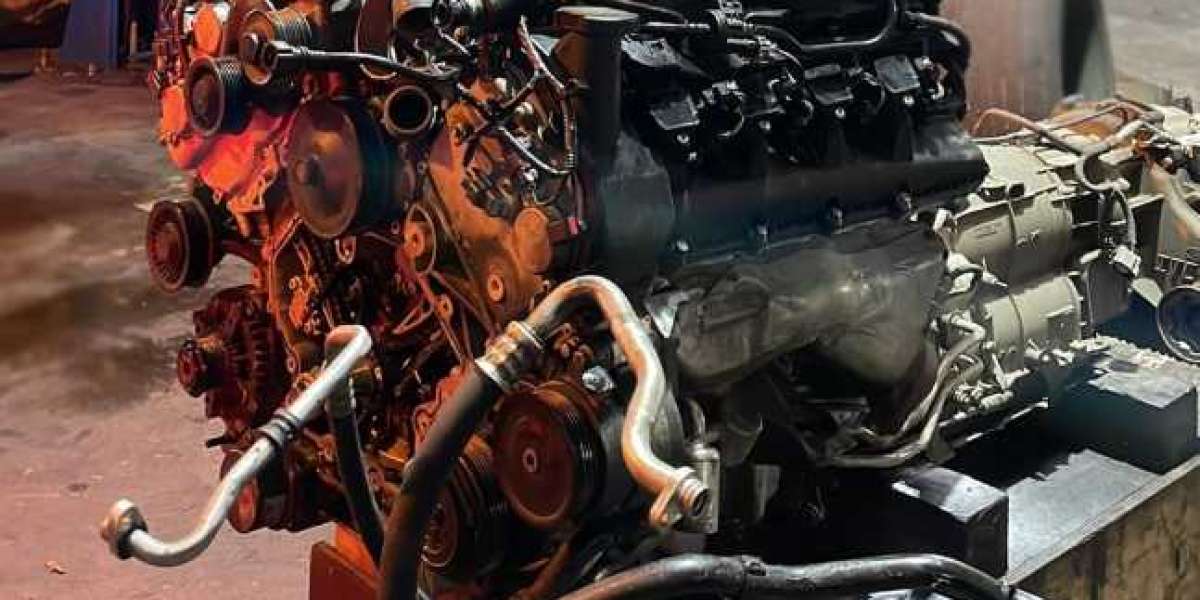

Discover everything you need to know about Range Rover engines
Range Rover is more than just a symbol of luxury — it’s a masterpiece of engineering. From the refined hum of its turbocharged engines to the effortless off-road power, every component of a Range Rover is designed to deliver performance and prestige. But like any high-end machine, its heart — the engine — requires expert attention and timely care.
In this post, we’ll explore the evolution of Range Rover engine, common engine issues, and what to expect when your engine needs a professional service or replacement.
1. The Legacy of Range Rover Engines
Since its debut in 1970, the Range Rover has combined British craftsmanship with rugged capability. Over the years, its engine technology has evolved dramatically:
- 1970s–1980s: The early V8 petrol engines powered the first models, offering strong torque and durability.
- 1990s–2000s: The introduction of diesel engines improved efficiency and range, making the Range Rover more practical for everyday driving.
- 2010s–Present: Modern engines now include Ingenium turbocharged petrol and diesel options, as well as plug-in hybrid variants, balancing performance with environmental consciousness.
Each generation brought innovations — from all-aluminum blocks to advanced cooling systems and twin-turbo technology — making Range Rover engines both powerful and sophisticated.
2. Why Range Rover Engines Need Specialized Care
Unlike standard vehicles, Range Rovers use complex electronic systems and high-tolerance components. Routine maintenance, when neglected, can lead to costly damage.
Here are some key reasons you should trust specialists for servicing and repairs:
- Precision engineering: Range Rover engines have tight tolerances; even minor errors during disassembly can cause performance issues.
- Specialized diagnostics: Proper scanning tools (like Land Rover’s SDD or Pathfinder system) are required to detect hidden faults.
- Genuine parts: Using OEM or Land Rover-approved components ensures longevity and maintains warranty coverage.
- Technical expertise: Certified technicians understand model-specific procedures, from timing chain replacements to turbocharger servicing.
3. Common Range Rover Engine Problems
Every engine has its weak points — and Range Rovers are no exception. Early detection of these issues can save you thousands in repairs.
a. Timing Chain Wear
Some models, especially those with the 5.0-liter V8, may experience timing chain stretch. This often leads to rattling sounds on startup or a check-engine light.
b. Oil Leaks
Commonly seen around valve cover gaskets or oil cooler seals. If not fixed early, oil leaks can cause overheating or component damage.
c. Turbocharger Failure
Turbo engines like the 3.0-liter TDV6 or SDV8 are known for strong torque, but they rely heavily on oil quality. Dirty oil or delayed servicing can cause turbo failure.
d. Overheating
Blocked radiators, failing water pumps, or airlocks in the cooling system can lead to overheating — one of the most serious threats to your engine.
e. Crankshaft or Bearing Damage
A rare but severe issue in high-mileage or poorly maintained engines. Regular oil changes are essential to prevent internal wear.
4. Signs It’s Time for an Engine Replacement
While many issues can be repaired, sometimes a full engine replacement is the smartest — and safest — option.
Watch out for these warning signs:
- Knocking or metallic noises from the engine block
- Excessive smoke (blue or white) from the exhaust
- Loss of power or misfiring under load
- Low oil pressure or persistent warning lights
- Severe coolant-oil mixing (indicating a cracked head or block)
If your Range Rover exhibits these symptoms, continuing to drive it could cause further damage. A professional inspection can determine whether a rebuild or full replacement is necessary.
5. The Engine Replacement Process
A Range Rover engine replacement isn’t a simple “swap-and-go.” It requires precision, experience, and specialized equipment. Here’s what a proper process looks like:
- Comprehensive Diagnosis: Using Land Rover diagnostic software to confirm internal damage.
- Engine Removal: Carefully disconnecting electronic modules, wiring harnesses, and mounts.
- Inspection Preparation: Verifying all accessories — turbos, injectors, manifolds — before installation.
- Replacement or Rebuild: Installing a new, reconditioned, or remanufactured engine.
- Testing Calibration: Ensuring proper timing, compression, and sensor synchronization.
- Final Quality Checks: Test-driving under different conditions to verify performance and reliability.
A reputable facility will also provide a warranty on parts and labor — a mark of confidence in their workmanship.
6. Why Choose a Professional Range Rover Engine Specialist
Working with a certified Range Rover service center or specialist garage has major advantages:
- Access to genuine OEM parts
- Experienced Land Rover technicians
- Advanced diagnostic and calibration tools
- Warranty on replacement engines
- Transparent pricing and quality assurance
At a trusted Range Rover service and engine replacement facility, the focus is on restoring performance — not just replacing parts.
Whether your Range Rover needs a complete engine swap or routine maintenance, expert care ensures that your vehicle runs as smoothly as the day it left the factory.
7. Maintaining Your Range Rover Engine for Longevity
After a replacement or major service, maintenance is the key to long-term reliability.
Follow these best practices:
- Change oil every 6,000–8,000 miles (use high-quality synthetic oil).
- Replace filters (oil, air, fuel) on schedule.
- Keep the cooling system clean and topped with the correct coolant.
- Avoid aggressive driving until the engine has properly warmed up.
- Schedule periodic inspections with a certified technician.
A well-maintained Range Rover engine can last over 200,000 miles, delivering power and refinement for years to come.
8. Final Thoughts
Owning a Range Rover is a statement of style and sophistication — but keeping it performing at its best requires the right expertise. From diagnosing common issues to full engine replacement, specialized care ensures your investment remains powerful, reliable, and ready for any adventure.
If your Range Rover is showing signs of engine trouble, don’t wait for the problem to worsen. Reach out to a trusted Range Rover Engine replacement and service facility today for professional advice and dependable solutions.